

About Us
Soundproofing is built on a simple idea — to create quieter, more comfortable spaces. We specialize in reducing noise with proven materials and methods, so your focus stays where it matters most — not on the distractions around you.
Contact InfoContact Info
- Office No. 9 Crescent Plaza, F10 Markaz, Islamabad
- 03127703712
- soundproofingpk@gmail.com
- Week Days: 09.00 to 18.00 Sunday: Closed
The Art of Silence: A Guide to Modern Soundproofing
Jan/26
- admin-sp
- soundproofing
- January 29, 2026
- 0 Comments
In an increasingly noisy world, the quest for quiet has become more than a luxury—it’s a necessity for well-being. Whether it’s the relentless hum of city traffic, the thump of a neighbour’s stereo, or the echo within a home office, unwanted noise disrupts concentration, sleep, and peace. This is where the science and art of soundproofing come in, transforming chaotic environments into serene sanctuaries.
Understanding Sound: The First Step to Silence
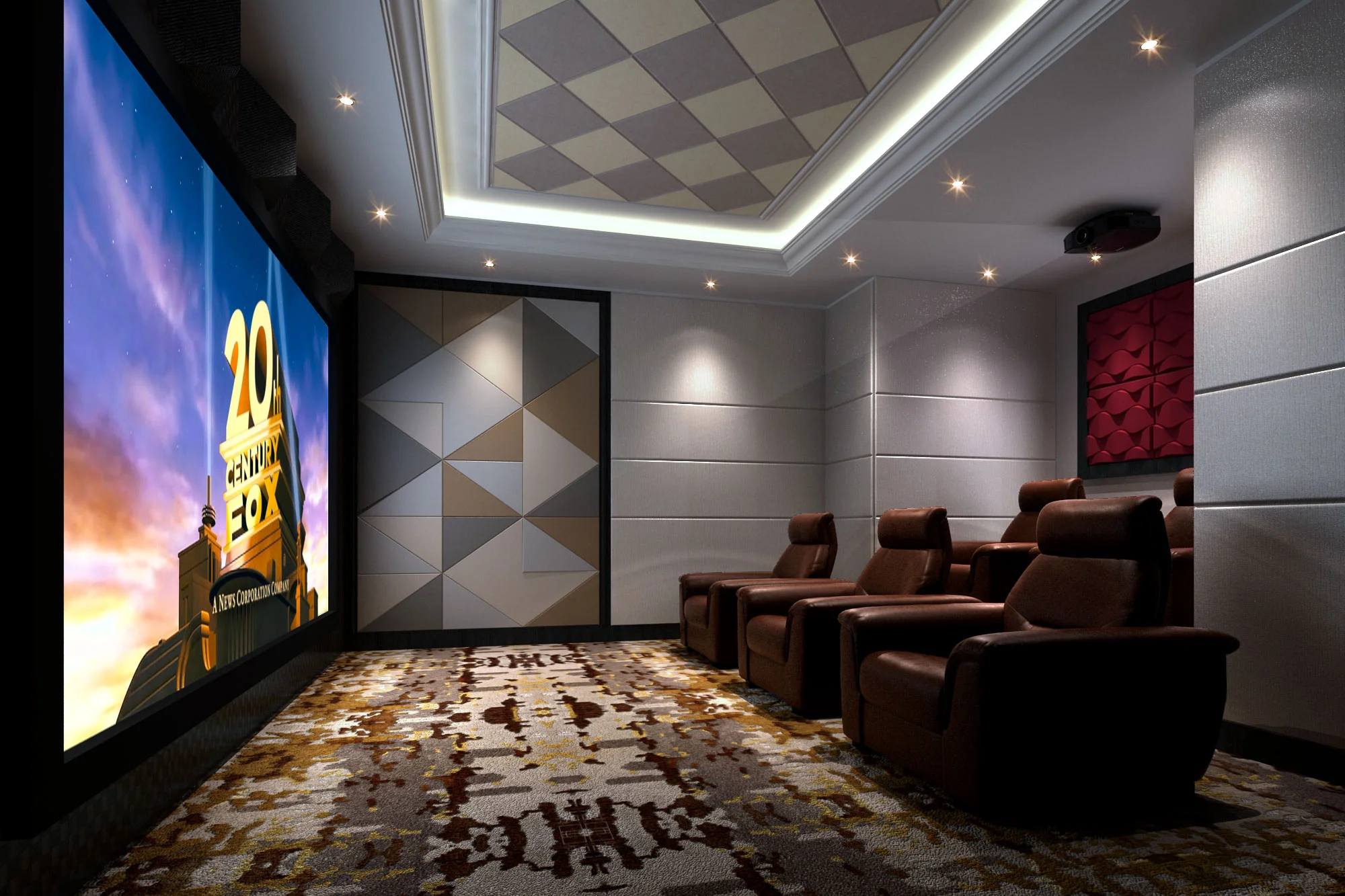
Soundproofing is often confused with acoustics, but they address different issues. Acoustic treatment manages how sound behaves within a room (like reducing echo in a home theatre). Soundproofing (or sound isolation), however, is about preventing sound from traveling between spaces. It tackles two types of noise:
- Airborne Noise: Sounds that travel through the air—conversations, TV audio, or barking.
- Impact Noise: The vibration from physical impact—footsteps on a floor, a dropped object, or washing machine rumble.
Effective soundproofing addresses both, and it relies on a few core principles: mass, damping, decoupling, and absorption.
The Four Pillars of Effective Soundproofing
- Mass & Density: Simply put, heavy, dense materials block sound. Adding mass to walls, floors, or ceilings is a traditional method. Think concrete, dense plasterboard (drywall), or specialised mass-loaded vinyl (MLV). Sound waves lose energy trying to vibrate through these heavy barriers.
- Decoupling: This is arguably the most critical concept for serious soundproofing. It involves separating two sides of a structure to prevent sound vibrations from traveling directly through. Instead of a single stud wall where both sides are attached to the same frame, a decoupled system uses staggered studs or resilient channels to create a break in the path. No physical connection means greatly reduced sound transmission.
- Damping: This principle converts sound energy into a tiny amount of heat. Damping compounds, like special viscoelastic green glue, are sandwiched between two layers of drywall. As the panels try to vibrate, the damping compound stretches and shears, dissipating the energy.
- Absorption: Porous materials like mineral wool or fibreglass insulation, placed within wall or floor cavities, absorb sound waves and reduce resonance (the “drum” effect). While great for airborne noise, absorption works best when combined with mass and decoupling.
Practical Applications: From DIY to Professional Solutions
The right approach depends on your space, budget, and the noise source.
- For Walls: For existing walls, adding a second layer of drywall with damping compound is effective. For new builds or major renovations, constructing a decoupled wall with insulation in the cavity is the gold standard.
- For Floors: Combat impact noise with thick underlays beneath carpets or floating floor systems that decouple the finished floor from the subfloor. For ceilings, resilient channels and acoustic insulation are key.
- For Doors & Windows: These are common weak points. Swap hollow-core doors for solid-core versions. Use acoustic seals around doors. For windows, consider double or triple glazing with different glass thicknesses and wide air gaps.
- Smaller Fixes: Heavy curtains, bookshelves filled with books (mass!), draft excluders, and acoustic panels (for in-room treatment) can offer noticeable improvements for minor issues.
Why Invest in Quiet?
The benefits extend far beyond mere comfort.
- Health: Reduced noise pollution lowers stress hormones, improves sleep quality, and decreases the risk of noise-related health issues.
- Productivity: A quiet home office or study enhances focus and cognitive function.
- Privacy: Ensures confidential conversations stay private and your leisure doesn’t become a neighbour’s nuisance.
- Property Value: A well-soundproofed home or apartment is a significant selling point in noisy urban areas.
The Future of Soundproofing
Innovation continues to make quiet more accessible. New materials like soundproofing composites and advanced aerogels are increasing effectiveness while reducing thickness. Smart sound masking systems, which use subtle, pleasant background sound to neutralize intrusive noise, are also gaining traction.
In the end, soundproofing is an investment in your personal environment. It’s the reclaiming of your auditory space in a clamorous world. By understanding the basic principles and applying the right solutions, you can build not just a room, but a refuge—a true haven of calm.
Leave a Comment